
Last Updated on May 10, 2026
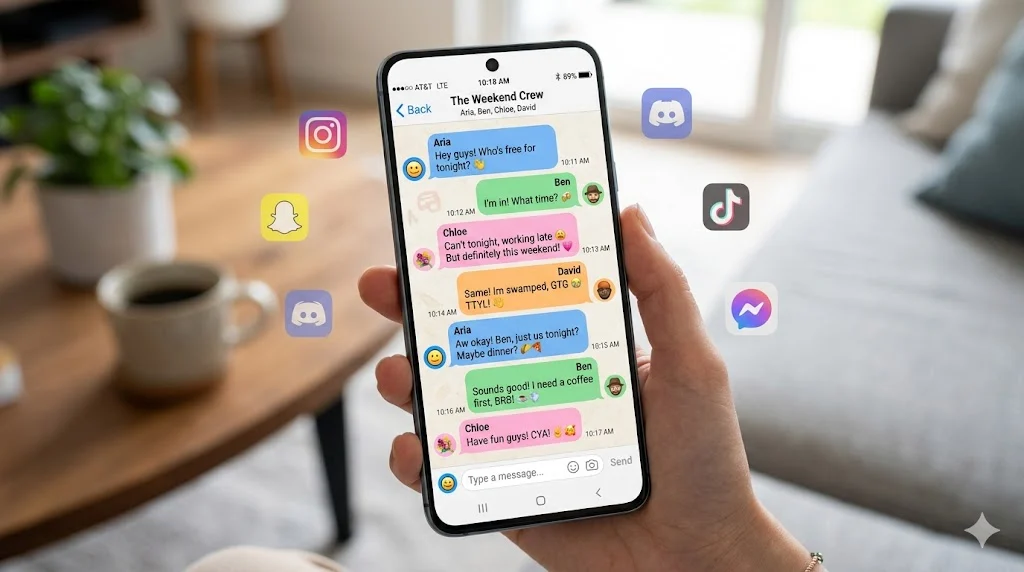
Texting has changed the way people communicate. Conversations move quickly now. Instead of typing long sentences, people shorten words, use abbreviations, and create internet slang that saves time. One of the most common examples is “CYA.”
You have probably seen someone send a message like:
“Alright, cya later.”
At first glance, it can look confusing. Some people think it is a random acronym. Others assume it has a hidden meaning. In reality, the phrase is much simpler than most people expect.
The CYA meaning in text usually stands for “see ya.” It is an informal way to say goodbye in text messages, social media chats, gaming conversations, and online communication.
People use it because it feels quick, relaxed, and friendly.
What Does CYA Mean in Texting?
The phrase CYA is shorthand for:
| Abbreviation | Meaning |
|---|---|
| CYA | See ya |
“See ya” itself is an informal version of “see you.”
People typically use it at the end of conversations when they are leaving a chat, ending a call, logging off a game, or saying goodbye casually.
Here are a few common examples:
- “I’m heading out now. Cya tomorrow.”
- “Goodnight everyone, cya later.”
- “Cya after class.”
- “Busy right now, cya!”
The term became popular because texting encourages speed. Instead of typing full phrases, users naturally shorten words to communicate faster.
That is why abbreviations like these became part of internet culture.
Quick Meaning Overview
| Term | Explanation |
|---|---|
| CYA | Informal abbreviation |
| Main Meaning | “See ya” |
| Tone | Casual and friendly |
| Common Usage | Ending conversations |
| Popular Platforms | Texting, Snapchat, WhatsApp, gaming chats |
The phrase is extremely common among:
- Teenagers
- Young adults
- Online gamers
- Social media users
- Friends texting casually
- Group chat participants
However, adults use it too. It is not limited to one age group anymore.
What Is CYA Short For?
The phrase CYA is simply a phonetic abbreviation.
That means the letters sound like the phrase they represent.
When spoken aloud:
- “C” sounds like “see”
- “YA” sounds like “ya”
Together, they create:
“See ya”
This type of abbreviation appears everywhere online because it mirrors natural speech.
People rarely say:
“I shall see you later.”
Instead, they say:
“See ya later.”
Texting culture copied that relaxed speaking style.
Why People Use CYA Instead of “See You”
There are several reasons this abbreviation became popular.
Faster Typing
Typing fewer characters saves time during rapid conversations.
Casual Tone
CYA feels more relaxed than formal goodbyes.
Internet Culture
Online communication rewards speed and simplicity.
Mobile Messaging Habits
Short forms became common during early texting days when phones had limited keyboards.
Even though modern smartphones are faster, abbreviations still dominate digital communication.
Is CYA a Slang Word or an Abbreviation?
Interestingly, CYA works as both.
CYA as an Abbreviation
Technically, it shortens the phrase “see ya.”
That makes it a texting abbreviation.
CYA as Slang
At the same time, it belongs to internet slang culture because people use it informally in casual communication.
So the phrase exists in two categories at once.
| Category | Why It Fits |
|---|---|
| Abbreviation | Shortened version of words |
| Slang | Informal internet language |
That is why many people search for:
- cya slang meaning
- cya abbreviation meaning
- cya acronym meaning
- cya internet slang
All of those searches point to the same idea.
How CYA Became Popular in Digital Communication
The rise of texting slang did not happen overnight.
Back in the early 2000s, text messaging had strict character limits. Typing long messages took more effort because phones used number-based keyboards instead of touchscreens.
People adapted by shortening everything.
That is how phrases like these exploded online:
| Abbreviation | Meaning |
|---|---|
| LOL | Laughing out loud |
| BRB | Be right back |
| GTG | Got to go |
| IDK | I don’t know |
| TTYL | Talk to you later |
| CYA | See ya |
Online gaming also accelerated slang usage.
Gamers needed fast communication during matches. Short abbreviations became practical tools.
Soon, social media platforms adopted the same style.
Now phrases like CYA appear naturally in:
- Instagram DMs
- Snapchat chats
- TikTok comments
- WhatsApp messages
- Discord servers
- Gaming lobbies
- Facebook Messenger
- SMS texts
Internet slang evolved into its own language system.
CYA Meaning in Conversation
The meaning of CYA changes slightly depending on context.
Most of the time, it simply means:
“Goodbye”
“Talk to you later”
“See you soon”
Still, tone matters.
A cheerful “cya!” feels warm and friendly.
A cold “k cya” may sound dismissive.
That is why digital communication depends heavily on:
- Emojis
- Punctuation
- Context
- Previous conversation tone
Friendly Example
“Had fun talking today 😂 cya tomorrow!”
This sounds positive and warm.
Neutral Example
“Alright cya.”
Simple and casual.
Cold Example
“Fine. Cya.”
This can sound annoyed depending on the situation.
The wording around the abbreviation changes its emotional impact.
How People Use CYA in Text Messages
People use CYA in many different ways.
Ending a Conversation
This is the most common usage.
Example:
“I gotta go now, cya later.”
Leaving a Group Chat
Example:
“Goodnight everyone. Cya tomorrow.”
Logging Off a Game
Example:
“GG guys. Cya next round.”
Ending a Casual Call
Example:
“Talk later. Cya!”
Leaving Social Media Chats
Example:
“Battery dying 😂 cya.”
The abbreviation feels natural because it mirrors spoken conversation.
CYA Meaning on Snapchat
Snapchat conversations move quickly. Messages disappear. Chats are casual and fast-paced.
That environment makes abbreviations extremely popular.
On Snapchat, CYA usually means:
“See you later”
“Talk soon”
“I’m leaving the chat”
Common Snapchat Examples
- “Streak sent. Cya tomorrow.”
- “Going to sleep now, cya.”
- “I’ll snap you later 😂 cya.”
Snapchat users often pair the phrase with:
- Emojis
- Bitmojis
- Slang
- Short replies
That keeps conversations light and informal.
Why CYA Fits Snapchat Culture
Snapchat encourages:
- Quick communication
- Temporary messaging
- Informal chatting
- Fast replies
Because of that, abbreviations thrive on the platform.
CYA Meaning in WhatsApp
WhatsApp conversations vary more than Snapchat.
Some chats are personal. Others are professional.
Still, in casual conversations, CYA remains common.
WhatsApp Examples
- “Meeting starts soon. Cya later.”
- “Dinner time 😂 cya.”
- “Thanks for helping me today. Cya tomorrow.”
Unlike formal workplace chats, personal WhatsApp conversations often resemble normal texting behavior.
When Not to Use CYA on WhatsApp
Avoid using it in:
- Business communication
- Professional client chats
- Formal announcements
- Workplace groups with management
In those situations, a more professional goodbye sounds better.
Examples include:
- “Speak with you soon”
- “Take care”
- “Have a great evening”
CYA Meaning on Social Media
Social media changed language dramatically.
Platforms reward short communication because attention spans move quickly.
That is why abbreviations dominate comments, captions, and direct messages.
Places You May See CYA
| Platform | Common Usage |
|---|---|
| DMs and comments | |
| TikTok | Replies and livestream chats |
| Discord | Gaming conversations |
| Facebook Messenger | Casual chatting |
| X/Twitter | Fast replies |
| Informal discussion threads |
Example Social Media Uses
- “Cya in the next livestream!”
- “Heading out now 😂 cya everyone.”
- “Fun stream tonight. Cya tomorrow!”
The phrase feels natural because social media conversations mimic spoken dialogue.
CYA Meaning From a Girl
Many people overanalyze texting language.
Someone receives:
“Cya later 😊”
Then immediately wonders:
“Does this mean she likes me?”
Usually, CYA itself does not reveal romantic feelings.
Instead, the surrounding context matters more.
Friendly Usage
“Alright cya tomorrow!”
This is typically neutral.
Flirty Usage
“Cya later 😉”
The wink emoji changes the tone completely.
Playful Usage
“Okayyyy cya 😂”
This sounds more energetic and personal.
Important Truth
The abbreviation itself rarely carries emotional meaning alone.
Tone depends on:
- Emojis
- Message style
- Conversation history
- Relationship dynamics
That is why interpreting text messages requires context.
CYA Meaning From a Guy
The same principle applies here.
A guy texting “cya” usually means:
“Goodbye”
“Talk later”
“See you soon”
Nothing more.
Still, tone can shift slightly depending on wording.
Examples
| Message | Possible Tone |
|---|---|
| “Cya bro” | Friendly |
| “Cya later man” | Casual |
| “Cya 😉” | Potentially flirtatious |
| “Alright cya” | Neutral |
People often search for hidden meanings in short texts. Most of the time, though, the message stays simple.
CYA vs See Ya
Many people wonder whether there is any real difference between:
- CYA
- See ya
Technically, both mean the same thing.
The difference mainly comes from style and presentation.
| CYA | See Ya |
|---|---|
| More abbreviated | More readable |
| Looks internet-focused | Looks conversational |
| Faster typing | Slightly warmer tone |
| Common in gaming/texting | Common in speech and texts |
Which One Sounds More Natural?
“See ya” often feels more personal because it resembles natural speech.
Meanwhile, “CYA” feels more digital and internet-oriented.
Example Comparison
More Personal
“See ya tomorrow!”
More Casual Internet Style
“Cya tomorrow!”
Both work perfectly fine.
Is CYA Rude?
Usually, no.
CYA is generally considered friendly and casual.
However, tone changes everything in texting.
When It Sounds Friendly
- “Cya later 😊”
- “Alright cya tomorrow!”
- “Goodnight, cya!”
When It Sounds Cold
- “K cya.”
- “Fine cya.”
- “Whatever. Cya.”
Short replies without warmth can appear dismissive.
This happens because texting removes body language and vocal tone.
People fill emotional gaps using punctuation and emojis instead.
How to Reply to CYA in Text
Replying to CYA is simple.
Most responses mirror the same casual energy.
Common Replies
- “See ya!”
- “Later!”
- “Bye!”
- “Talk soon.”
- “Catch you later.”
- “Take care!”
Friendly Reply Examples
| Reply | Tone |
|---|---|
| “Cya tomorrow!” | Warm |
| “Later 😂” | Playful |
| “Bye take care!” | Caring |
| “Catch you later bro” | Friendly |
Flirty Reply Examples
- “Cya 😉”
- “Can’t wait 😂”
- “Talk later ❤️”
Again, emojis dramatically affect interpretation.
Examples of CYA in Texting
Real examples help clarify how people naturally use the abbreviation.
Friends Chat
“Movie starts at 8. Cya there.”
Gaming Conversation
“GG everyone. Cya next match.”
School Chat
“Homework done finally 😂 cya tomorrow.”
Workplace Friends
“Heading home now. Cya Monday.”
Family Text
“Drive safe. Cya soon.”
Online Community Chat
“Logging off for the night. Cya all tomorrow.”
The phrase adapts easily across different conversation types.
How to Use CYA in a Sentence
Many people understand the meaning but still wonder how to use it naturally.
Here are several easy sentence structures.
Basic Formula
Action + CYA
Example:
“I’m leaving now, cya.”
Future Plan Formula
CYA + time reference
Example:
“Cya tomorrow.”
Casual Exit Formula
Reason + cya later
Example:
“Phone battery dying, cya later.”
Social Conversation Formula
Appreciation + cya
Example:
“Thanks for hanging out. Cya soon.”
The phrase works best in casual communication.
Common Texting Abbreviations Like CYA
CYA belongs to a larger family of texting abbreviations.
Here are some of the most popular ones.
| Abbreviation | Meaning |
|---|---|
| BRB | Be right back |
| TTYL | Talk to you later |
| GTG | Got to go |
| IMO | In my opinion |
| IMO | In my opinion |
| IDK | I don’t know |
| LMK | Let me know |
| TBH | To be honest |
| SMH | Shaking my head |
| BTW | By the way |
These abbreviations simplify digital communication.
They also create a sense of online familiarity.
Why Internet Slang Keeps Growing
Internet slang evolves constantly because online culture changes rapidly.
Several factors fuel this growth.
Speed
People prefer fast communication.
Mobile Devices
Short phrases fit smartphone typing habits.
Social Trends
Slang spreads rapidly through viral content.
Gaming Communities
Gaming culture introduces new abbreviations constantly.
Younger Generations
Teenagers and young adults often create fresh online vocabulary.
Eventually, older generations adopt the same language.
That is exactly what happened with CYA.
The Psychology Behind Short Texting Terms
Short abbreviations feel more conversational because they mimic natural speech patterns.
Humans rarely speak formally during relaxed conversations.
For example, people say:
- “gonna”
- “wanna”
- “see ya”
instead of:
- “going to”
- “want to”
- “see you”
Texting culture copied spoken language shortcuts.
That makes communication feel more relaxed and authentic.
Why People Prefer Informal Language Online
| Reason | Explanation |
|---|---|
| Comfort | Casual language feels friendlier |
| Speed | Easier to type quickly |
| Familiarity | Creates social connection |
| Trend Culture | Slang spreads socially |
Internet slang acts almost like digital body language.
It adds personality to otherwise plain text.
When You Should Avoid Using CYA
Even though CYA works well casually, some situations require more professional language.
Avoid Using CYA In:
- Job applications
- Professional emails
- Academic writing
- Client communication
- Business meetings
- Formal customer service
Better Alternatives
| Casual Phrase | Professional Alternative |
|---|---|
| Cya | See you soon |
| Bye | Best regards |
| Later | Speak with you soon |
| Catch ya later | Have a great day |
Professional communication values clarity and polish.
Overusing slang can appear unprofessional.
Can CYA Mean Something Else?
Yes. Interestingly, CYA has another completely different meaning in business slang.
In workplace language, CYA can sometimes stand for:
“Cover Your Ass”
This phrase refers to protecting yourself from blame or criticism.
Example
“Keep email records for CYA purposes.”
That usage appears mostly in:
- Corporate environments
- Office slang
- Business discussions
However, in texting and online chats, CYA almost always means:
“See ya”
Context determines interpretation.
Why Tone Matters So Much in Texting
Text messages lack facial expressions and vocal cues.
That creates ambiguity.
A simple phrase can sound:
- Warm
- Funny
- Cold
- Angry
- Flirty
depending on presentation.
Compare These Messages
| Message | Tone |
|---|---|
| “Cya 😊” | Friendly |
| “Cya lol” | Playful |
| “K cya” | Distant |
| “Cya tomorrow ❤️” | Affectionate |
Tiny details shape emotional interpretation online.
That is why emojis became so powerful in digital communication.
The Evolution of Texting Language
Internet language constantly changes.
Some abbreviations disappear quickly. Others survive for decades.
CYA stayed relevant because it feels natural in spoken English.
Older Texting Terms That Faded
| Old Slang | Meaning |
|---|---|
| ROFL | Rolling on floor laughing |
| L8R | Later |
| NE1 | Anyone |
| GR8 | Great |
Why CYA Survived
- Easy to understand
- Matches spoken language
- Short and efficient
- Still sounds natural
Simple slang tends to last longer.
CYA in Gaming Culture
Gaming communities helped normalize abbreviations online.
Fast communication matters during multiplayer matches.
Typing long messages wastes time.
Common Gaming Usage
- “GG cya next game.”
- “Cya tomorrow squad.”
- “Logging off now, cya.”
Gamers often combine abbreviations together:
“GTG cya TTYL”
That sentence means:
“Got to go, see ya, talk to you later.”
Gaming culture influenced broader internet communication more than many people realize.
Is CYA Still Popular Today?
Yes.
Even though newer slang appears constantly, CYA remains widely understood.
That is because it belongs to foundational internet shorthand.
Unlike trend-based slang that fades quickly, goodbye abbreviations stay useful forever.
Reasons It Remains Popular
- Simple meaning
- Easy spelling
- Fast typing
- Universal understanding
- Casual tone
Younger users still recognize it immediately.
Older users understand it too.
That cross-generational familiarity keeps it alive.
Formal vs Informal Goodbye Terms
Here is a simple comparison chart.
| Informal Goodbye | Formal Goodbye |
|---|---|
| Cya | Goodbye |
| Later | Farewell |
| Bye | Best regards |
| Catch ya later | Speak with you soon |
| Talk later | Thank you for your time |
Knowing the difference helps avoid awkward communication mistakes.
Signs That Someone Uses CYA Casually
Most people who use CYA also use other relaxed texting habits.
Common Patterns
- Lowercase typing
- Emojis
- Short replies
- Internet slang
- Fast responses
Example:
“alright cya 😂”
This style feels conversational and modern.
The Difference Between CYA and TTYL
Both phrases end conversations, but they carry slightly different meanings.
| Phrase | Meaning | Tone |
|---|---|---|
| CYA | See ya | Goodbye |
| TTYL | Talk to you later | Future conversation |
Example
CYA
“Heading out now. Cya!”
Focuses on leaving.
TTYL
“Busy right now, ttyl.”
Focuses on talking again later.
People often combine them together.
“Cya ttyl.”
Does Capitalization Matter?
Not really.
People use all versions online.
Common Variations
- cya
- CYA
- Cya
Lowercase usually feels more casual.
Uppercase may stand out more visually.
However, the meaning stays identical.
How Different Generations Use CYA
Texting habits vary by age group.
Teenagers
- Use heavy slang
- Combine abbreviations frequently
- Prefer fast communication
Millennials
- Grew up during early texting culture
- Still use classic abbreviations naturally
Older Adults
- Use abbreviations less frequently
- Often prefer full words
Still, CYA remains widely recognizable across all groups.
Funny and Creative Variations of CYA
Internet users sometimes modify slang playfully.
Creative Examples
- “Cyaaaa”
- “Cyalater”
- “Cya buddy”
- “Cya nerd 😂”
These variations add personality and humor.
Texting language constantly evolves through creativity.
FAQs
What does CYA mean in a text message?
CYA means “see ya.” It is a casual way to say goodbye in texting and online chat.
Is CYA considered rude?
Usually no. The tone depends on context, punctuation, and emojis.
Is CYA formal or informal?
CYA is informal internet slang. It works best in casual conversations.
What does CYA mean on Snapchat?
On Snapchat, CYA usually means “see you later” or “talk soon.”
What does CYA mean from a girl?
Most of the time, it simply means goodbye casually. Tone and emojis determine emotional meaning.
What does CYA mean from a guy?
Usually it is just a relaxed farewell phrase like “see you later.”
Is CYA the same as “see ya”?
Yes. CYA is just an abbreviated spelling of “see ya.”
Can CYA have another meaning?
Yes. In workplace slang, it can sometimes mean “cover your ass,” but texting usually refers to “see ya.”
Should You Use CYA in Professional Messages?
Generally, no.
Professional communication values clarity and professionalism.
Using slang in formal settings may appear careless.
Better Workplace Alternatives
- “Speak with you soon”
- “Take care”
- “Best regards”
- “Have a great day”
Reserve CYA for relaxed conversations instead.
Conclusion
The internet changes language constantly. New slang appears every year. Some phrases vanish quickly while others become permanent parts of digital communication.
CYA survived because it is simple, fast, and natural.
At its core, the abbreviation means:
“See ya”
That is it.
Still, context shapes how the message feels.
A cheerful “cya 😊” sounds warm and friendly. A dry “k cya” can sound cold. Emojis, punctuation, and conversation tone all influence interpretation.
Today, people use CYA across:
- Text messages
- Snapchat
- Gaming chats
- Instagram DMs
- Online communities
- Social media conversations
The phrase remains one of the most recognizable texting abbreviations online.
Now when someone sends:
“Alright cya later”
you will know exactly what they mean — and how the tone changes depending on the conversation.
Read More Related Articles:
- ASF Meaning in Text: How People Actually Use It In 2026
- IDTS Meaning in Text | Usage, Examples and Full Slang Guide In 2026
- – Meaning in Text Message | Secret Tone Trick Everyone Uses In 2026

Joshua Bell is a professional content writer at Synofind.com, known for delivering clear, accurate and engaging written content. He focuses on thorough research and thoughtful storytelling to ensure every piece is reliable and easy to understand. His work reflects a strong commitment to quality and credibility.