
Last Updated on May 4, 2026
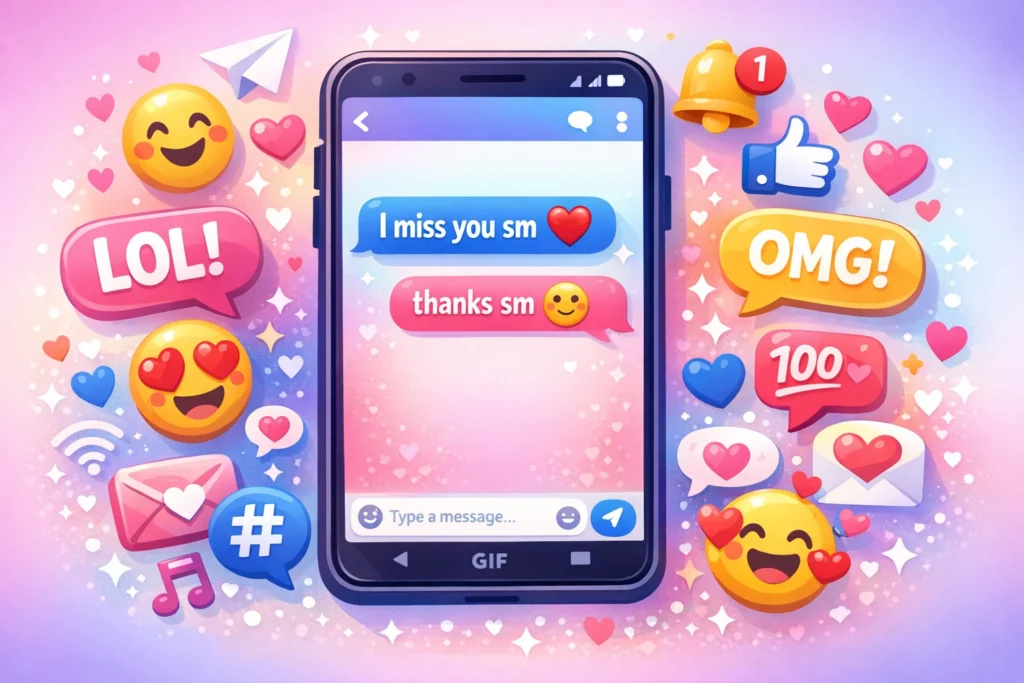
SM meaning in text usually stands for “so much”. It is commonly used in casual messaging to express emphasis, gratitude, affection, or intensity, such as “I miss you sm” or “thanks sm.”
If you have ever received a message like “I love you sm” or “thank you sm,” you may have paused for a second and wondered what “SM” actually means. This tiny abbreviation appears everywhere, from WhatsApp chats to Instagram comments, yet its meaning is not always obvious to everyone.
Digital communication keeps evolving, and short forms like “SM” help people type faster and express emotions quickly. What makes it interesting is how tone and context can completely change its meaning. In some cases, it feels warm and affectionate. In others, it can come across as rushed or even dismissive.
This guide explains everything you need to know about sm meaning in text, including its origin, real-life usage, tone variations, comparisons with similar slang, and even polite alternatives for professional settings.
What Does SM Mean in Text?
In most casual conversations, SM = So Much.
People use it to:
- Emphasize feelings
- Express gratitude
- Show affection
- Add emotional intensity
Quick Examples
- “I miss you sm” → I miss you so much
- “Thanks sm!” → Thank you so much
- “I love this sm 😍” → I love this so much
Although simple, this abbreviation carries emotional weight depending on how it is used.
Origin of SM in Texting
The abbreviation “SM” comes from the broader trend of internet slang that started in early chat rooms and SMS messaging. Back when character limits were strict, people began shortening phrases to save time and space.
Over time, texting culture shaped these abbreviations into everyday language. Platforms like:
- Snapchat
- TikTok
have helped popularize “SM,” especially among younger users.
Unlike older abbreviations like “LOL” or “BRB,” “SM” feels more personal because it is often tied to emotions rather than actions.
Why Is SM So Popular?
Several reasons explain why “SM” is widely used:
1. Speed and Convenience
Typing “sm” is faster than writing “so much,” especially in quick chats.
2. Emotional Expression
It helps convey strong feelings in a compact way.
3. Social Media Influence
Short captions and comments encourage abbreviations.
4. Casual Communication Style
Modern texting favors informal language over full sentences.
How SM Is Used in Different Contexts
The meaning stays the same, but the tone changes depending on context.
Friendly and Affectionate Tone
Used to express love, care, or appreciation.
Examples:
- “Love you sm ❤️”
- “I appreciate you sm”
- “Miss you sm 😭”
Neutral Tone
Used casually without deep emotional intent.
Examples:
- “Thanks sm”
- “That helped sm”
Slightly Dismissive or Rushed Tone
Sometimes it can feel less sincere if used in formal situations.
Examples:
- “ok sm”
- “thanks sm” in a professional email might feel too casual
Real-Life Examples of SM in Text
Here are different ways people use “SM” in everyday conversations.
| Situation | Text Message | Meaning | Tone |
|---|---|---|---|
| Friendship | “I miss you sm” | Deep emotional connection | Warm |
| Gratitude | “Thanks sm for helping” | Appreciation | Friendly |
| Social Media | “I love this sm 😍” | Strong liking | Enthusiastic |
| Quick Reply | “tysm” | Thank you so much | Casual |
| Low Effort Reply | “k sm” | Minimal response | Dismissive |
SM vs Similar Text Abbreviations
Many abbreviations carry similar meanings. Understanding the differences helps avoid confusion.
Comparison Table
| Abbreviation | Meaning | Usage Style | Example |
|---|---|---|---|
| SM | So much | Emotional, expressive | “I love you sm” |
| Tysm | Thank you so much | Gratitude focused | “Tysm for your help” |
| Ly | Love you | Short and direct | “Ly ❤️” |
| OMG | Oh my God | Surprise or shock | “OMG this is amazing” |
| Soooo | So (extended) | Dramatic emphasis | “I miss you soooo much” |
Key Insight
“SM” is more flexible than most abbreviations because it works in different emotional contexts.
Alternate Meanings of SM
Although “so much” is the most common meaning, “SM” can have other interpretations depending on context.
Other Possible Meanings
| Meaning | Context |
|---|---|
| Social Media | Marketing or business conversations |
| Sadomasochism | Adult or niche contexts |
| Small | Product sizes or measurements |
| Service Mark | Legal or branding terms |
Important Tip
Always rely on context. In casual texting, it almost always means “so much.”
When Not to Use SM
Even though it is popular, “SM” is not suitable for every situation.
Avoid using it in:
- Professional emails
- Academic writing
- Job applications
- Formal business communication
Instead, use complete phrases for clarity and professionalism.
Polite and Professional Alternatives
If you want to sound more formal, here are better options:
| Informal (SM) | Professional Alternative |
|---|---|
| Thanks sm | Thank you very much |
| I appreciate you sm | I sincerely appreciate your support |
| I miss you sm | I truly miss you |
| I love this sm | I really value this |
These alternatives maintain clarity and respect in formal settings.
Tone Variations with SM
Tone plays a huge role in how “SM” is perceived.
Positive Tone
- “I love you sm ❤️”
Feels warm and genuine
Playful Tone
- “I hate you sm 😂”
Used jokingly
Emotional Tone
- “Miss you sm 😭”
Expresses longing
Flat Tone
- “thanks sm”
May feel rushed or less expressive
Usage Tips for SM
To use “SM” effectively, keep these points in mind:
- Use it in casual conversations only
- Add emojis for clarity of tone
- Avoid it in serious discussions
- Consider the relationship with the person
- Do not overuse it in one message
Example Table with Tone and Emoji Impact
| Message | With Emoji | Without Emoji | Interpretation |
|---|---|---|---|
| “I miss you sm” | 😭 | None | More emotional with emoji |
| “Thanks sm” | 😊 | None | Friendlier with emoji |
| “Love you sm” | ❤️ | None | Warmer with emoji |
| “ok sm” | None | None | Can feel cold or dismissive |
SM in Social Media Captions
On platforms like Instagram or TikTok, “SM” is often used to keep captions short and engaging.
Examples:
- “Obsessed with this outfit sm 😍”
- “Love my friends sm ❤️”
- “This song hits sm 🎶”
It helps maintain a casual, relatable tone.
How to Reply to SM in Text
If someone uses “SM” in a message, your response can match the tone.
Examples
If someone says:
- “I miss you sm” → Reply: “I miss you too ❤️”
- “Thanks sm” → Reply: “Anytime 😊”
- “Love you sm” → Reply: “Love you more ❤️”
Matching tone creates a smoother conversation flow.
FAQs
What does SM mean in texting?
SM usually means “so much” and is used to express strong feelings or emphasis.
Is SM formal or informal?
It is informal and best used in casual conversations or social media.
Can SM have different meanings?
Yes, but in texting it almost always means “so much.”
Is it okay to use SM in professional emails?
No, it is better to use full phrases like “thank you very much.”
What is the difference between SM and TYSM?
SM means “so much” while TYSM means “thank you so much.”
Why do people use SM instead of writing fully?
It saves time and fits the fast pace of digital communication.
Does SM change tone in messages?
Yes, tone depends on context, emojis, and sentence structure.
Is SM used worldwide?
Yes, especially among younger users on social media and messaging apps.
Conclusion
“SM meaning in text” may look simple, but it plays a powerful role in modern communication. It helps people express emotions quickly, keep conversations light, and stay connected in a fast-paced digital world.
Understanding its tone and context makes a big difference. Used correctly, it can sound warm and genuine. Used carelessly, it may feel rushed or unclear.
For casual chats, it works perfectly. For professional communication, it is better to stick with full expressions.
The key is balance. Use “SM” where it feels natural, and always consider your audience.
Read More Related Articles:
- Other Ways to Say Happy Thursday: 30+ Examples (2026)
- Other Ways to Say Happy Valentine’s Day In 2026
- Other Ways to Say Happy Birthday: Formal, Casual & Fun Options In 2026

Joshua Bell is a professional content writer at Synofind.com, known for delivering clear, accurate and engaging written content. He focuses on thorough research and thoughtful storytelling to ensure every piece is reliable and easy to understand. His work reflects a strong commitment to quality and credibility.